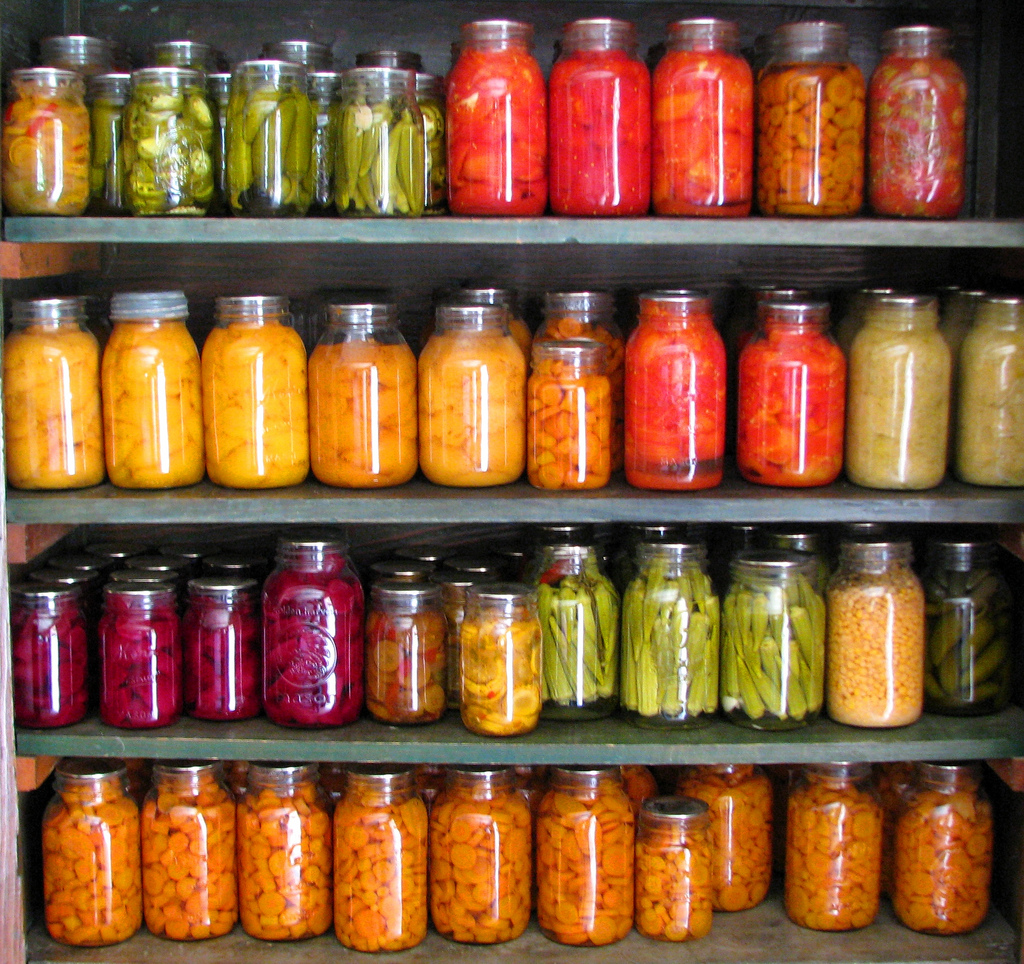
Canning vegetables is a great skill to learn and one I am working on myself. Although it takes some time and makes a good mess in your kitchen, the technique itself is quite simple and you can put a lot of vegetables away at a time without needing freezer space. Finding a canning buddy can make the process a lot more streamlined and enjoyable. Once you’ve finished and your sealed jars are all lined up on your shelf, you are definitely filled with a sense of pride that lasts all throughout the winter each time you open a new jar.
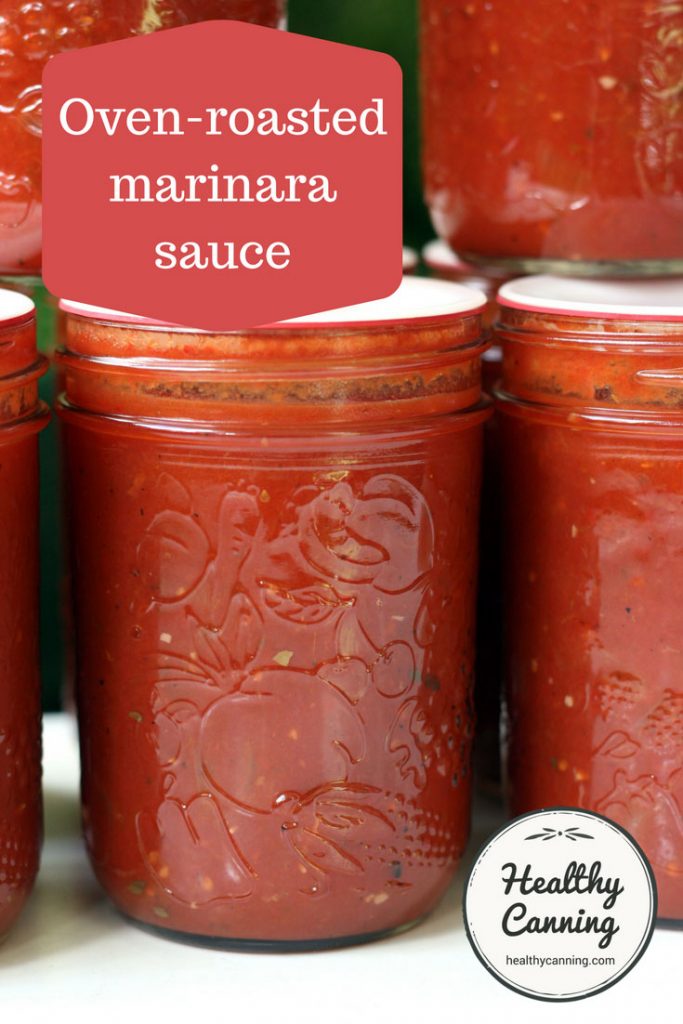
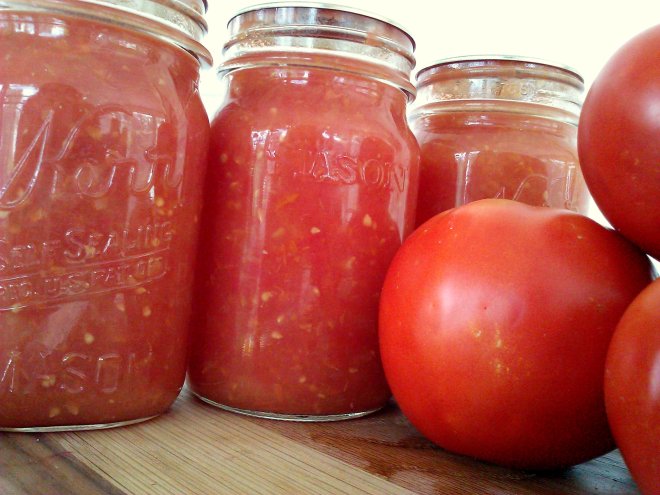
Click on any of the pics below for some recipes for canning some of the veggies showing up in your shares. To ensure the safety of your canned goods, always be sure to use clean equipment, add the correct amount of acid, and cook them for the time the recipe calls for. Check out this link from the Montana University Extension Office for all of the recommended food safety precautions.
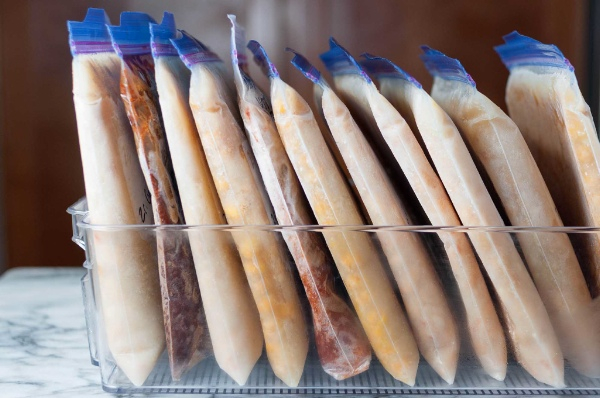
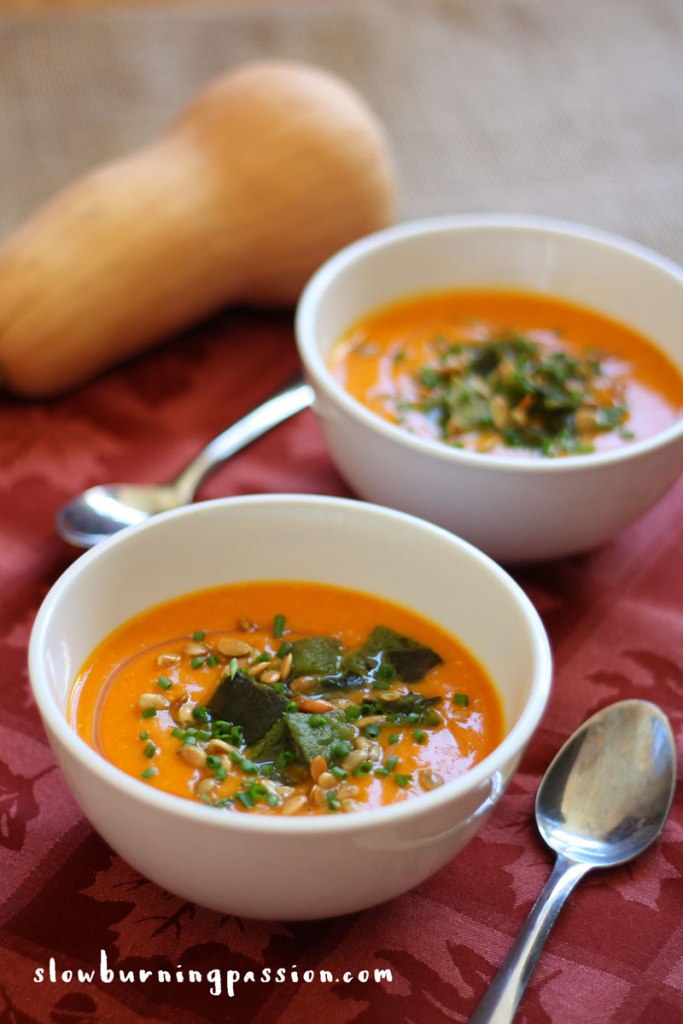
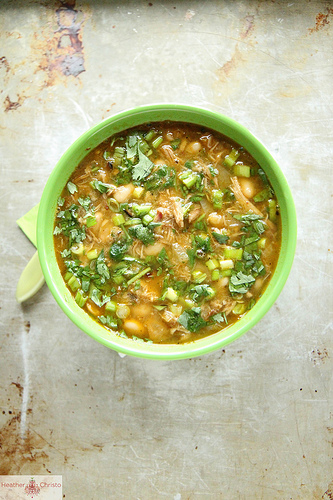
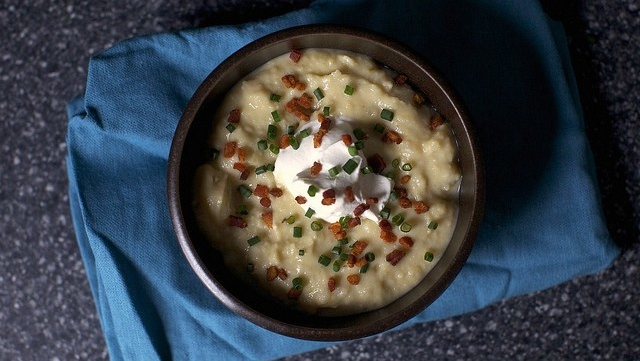
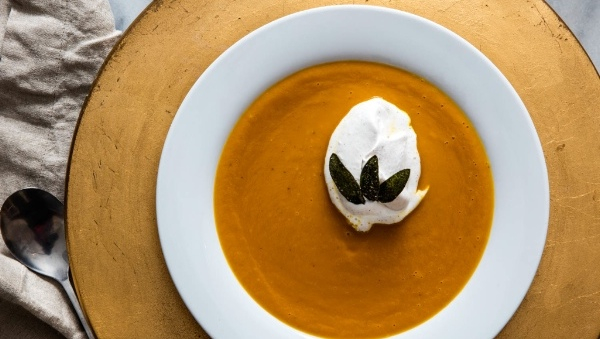
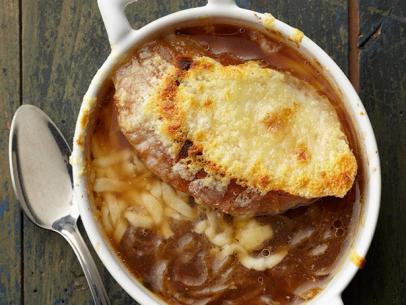
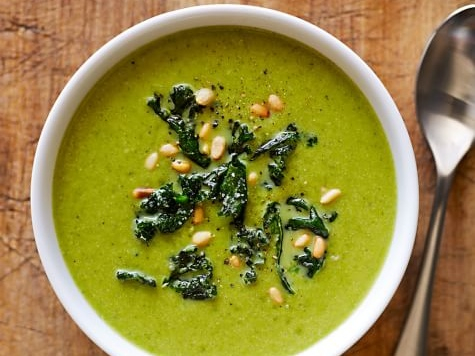
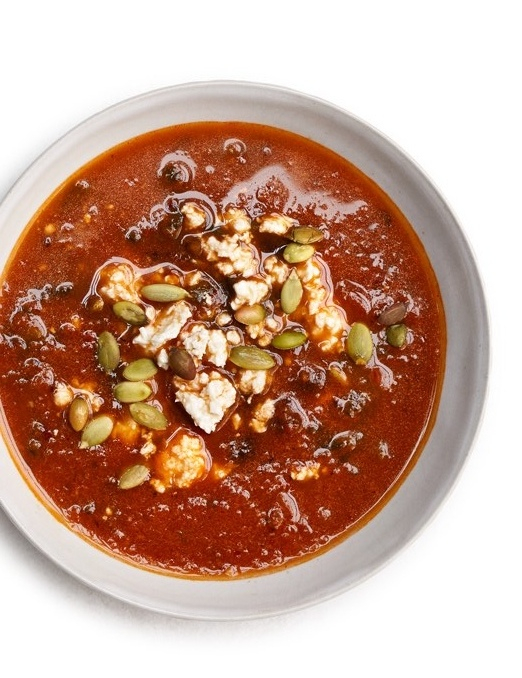
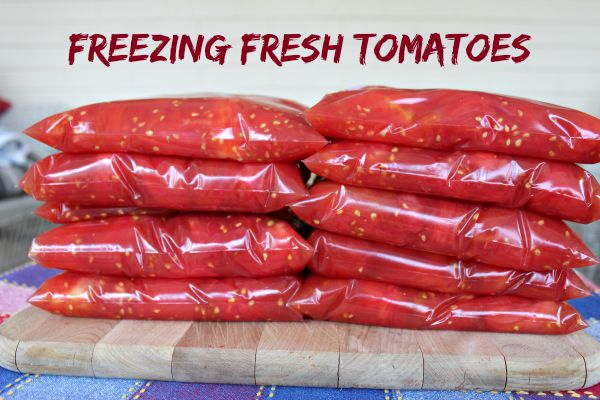
Who made soup this weekend? It’s that time of year! What I like most about soup days is that it can take several hours and you get to be cozying up in your house while the smells start developing. But long soup days at home can be few and far between for me. So when I do make soup, I make a big batch of it. Instead of eating it all week long until I am sick of it, I freeze the rest into single serving sizes so I can enjoy it on another day when I don’t have so much time on my hands. In a ziploc bag, soup can freeze very compactly. So even if you don’t have a deep freeze, there’s room in your refrigerator freezer to put it away for a rainy…or snowy day.
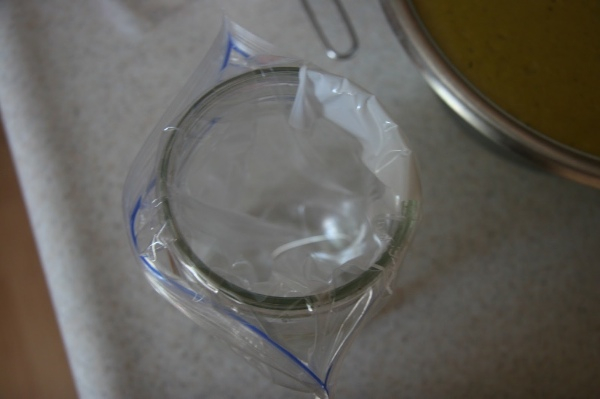
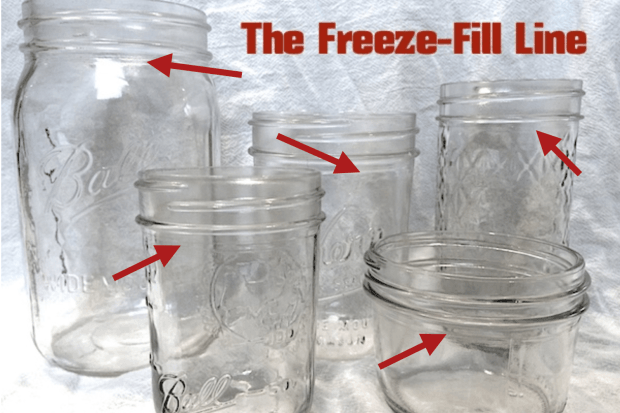
You can use a widemouth mason jar to fold your ziploc bag over and easily ladle your soup into the bag without creating a mess. Or you can freeze soup directly into mason jars…just be sure to leave some room for the soup to expand so it doesn’t break your jar.
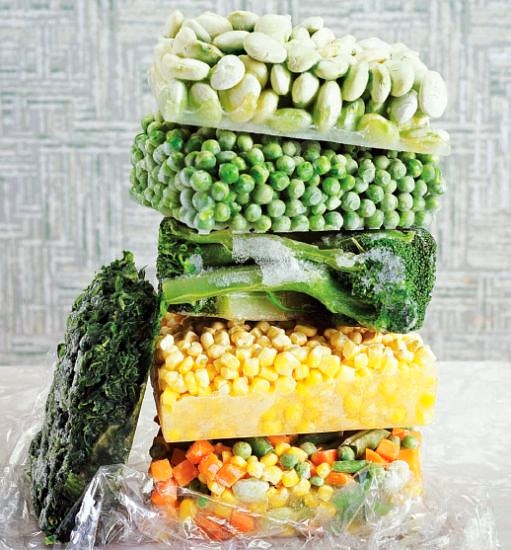
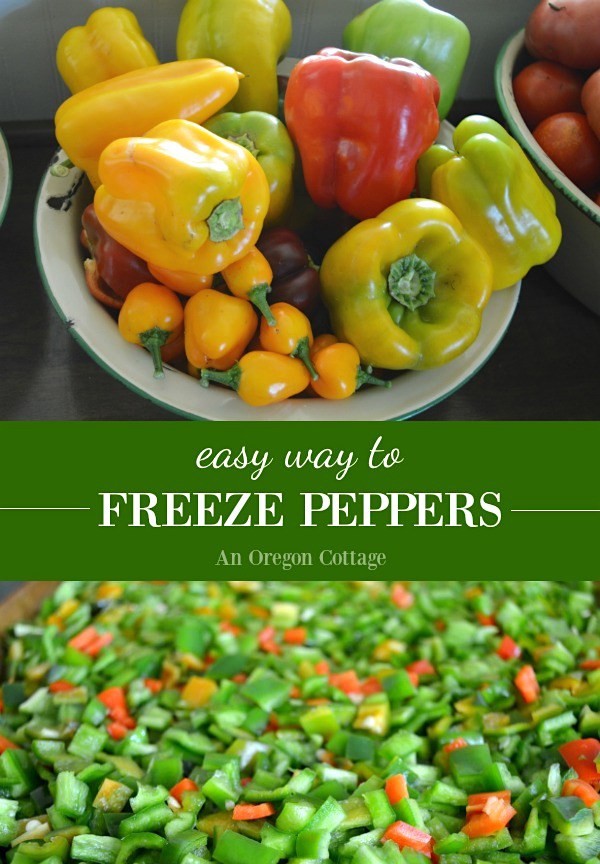
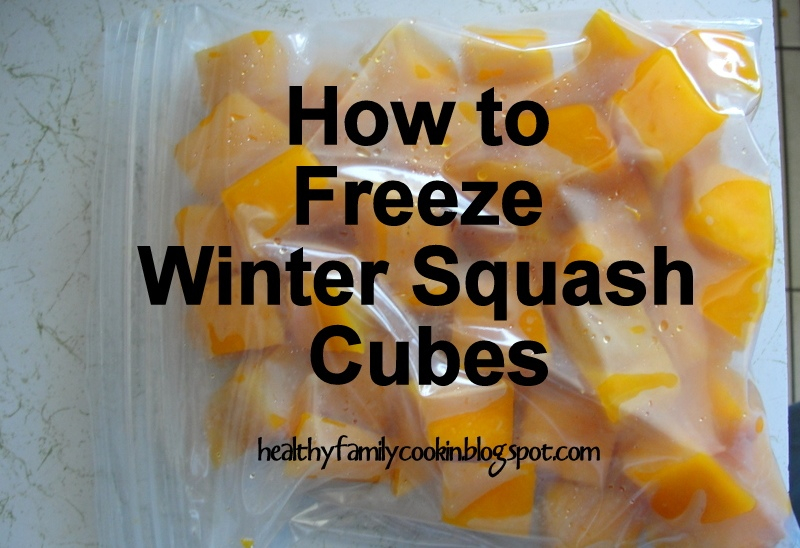
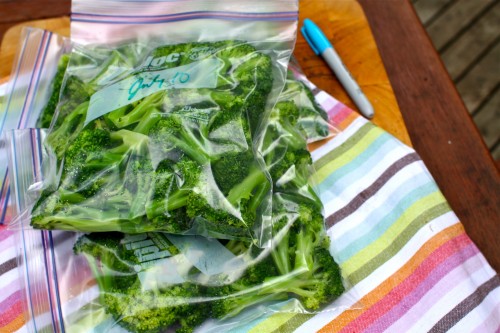
As the harvest season hits its bountiful peak, it can be a scramble to preserve all of the vegetables. Luckily, freezing vegetables is a simple and fast option and no preserving method retains flavor better than freezing. It’s an affordable way to enjoy your favorite produce year-round that doesn’t take a lot of supplies other than a freezer and some plastic bags. And frozen vegetables retain the most nutritional value. You can freeze just about any vegetable. Here are some tips on freezing some of the ones that will be coming in your shares the next couple of weeks. Click on any of the pictures below for instructions. If you want to plan any big freezing projects, check out the add-ons available each week.
If you don’t want to use plastic bags, you can use your mason jars. Just remember not to fill them above the freeze line, cool produce before filling jars, use wide-mouthed mason jars and when going to unthaw them do not change the temperature too rapidly by heating them up straight from the freezer, pop them in the fridge the night before.
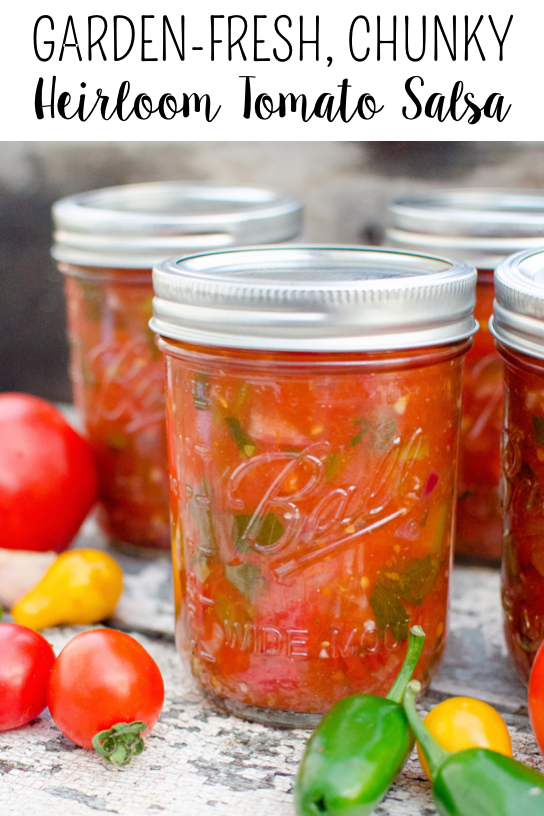
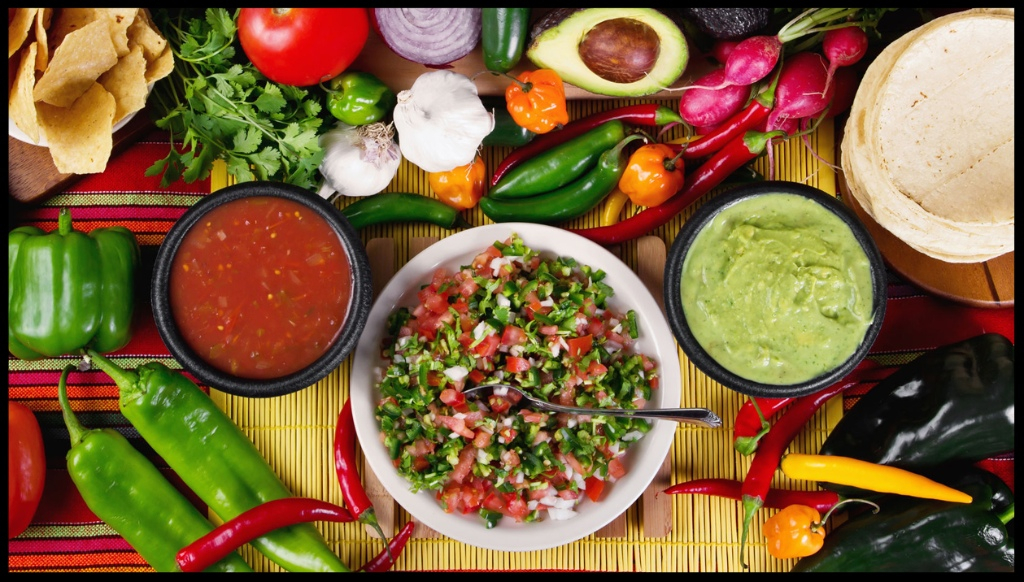
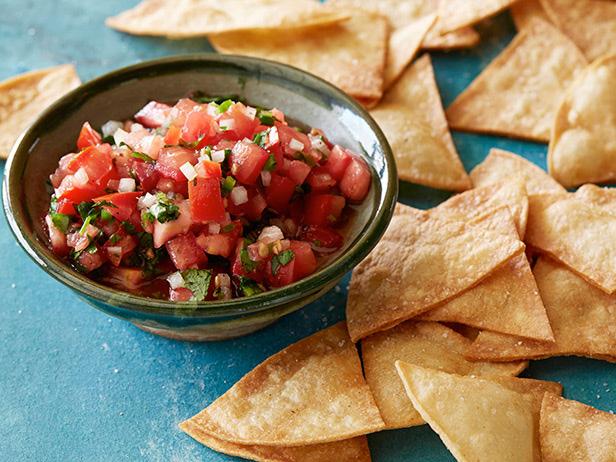
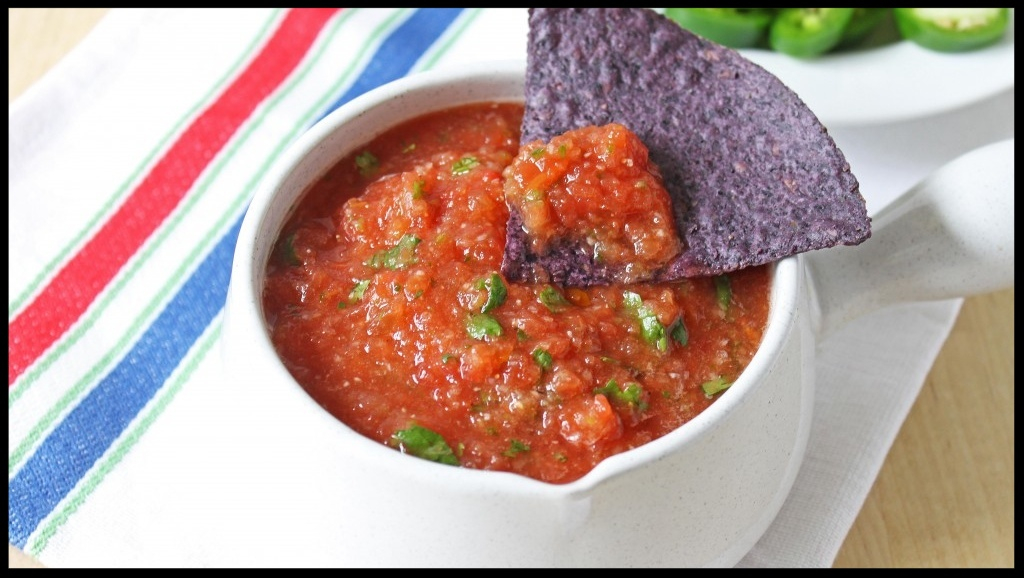
Salsa, a condiment made of almost entirely vegetables, is so good this time of year. Salsa can be as simple as 3 ingredients and because of that, making sure your ingredients are the freshest and ripest makes all the difference. Harlequin grows everything you need to make a salsa…onions, tomatoes, tomatillos, jalepenos, green peppers, poblanos, anaheims, roasted peppers, cilantro, basil, and some super spicy peppers. These next couple of months are also a good time to can salsa as all the ingredients are at their peak freshness.
Here are a few helpful things to remember when making your way through this salsa season:
The hottest parts of a chile are the seeds and the veins, so add them only if you mean to. If you have sensitive skin, wear rubber or plastic gloves when handling chiles.
If you are making fresh salsa (not heating the tomatoes) make and eat it in the same day. Once a fresh salsa sits in the fridge the tomatoes stop ripening and it kills the flavor
Fresh-squeezed lime juice is a great way to add a base of flavor – make sure you strain out most of the liquid from the tomatoes before adding it.
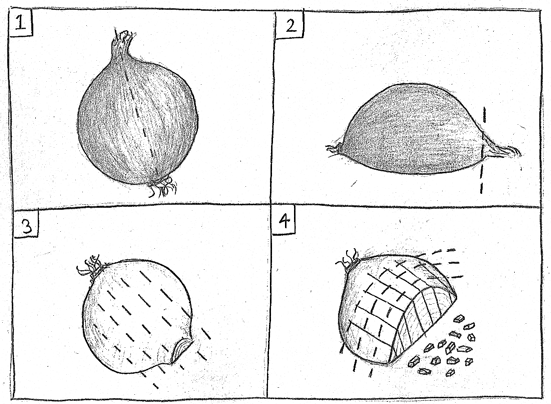
The easiest way to dice an onion:
In all its simplicity, salsa can be very
versatile– some like it hot, mild, chunky, runny, lots of garlic, red, green,
roasted, etc. Experiment with different peppers, consistencies,
roasting/charring some ingredients and see how you like your salsa. Once
you get your recipe down, you’ll never want to buy salsa from the store again.
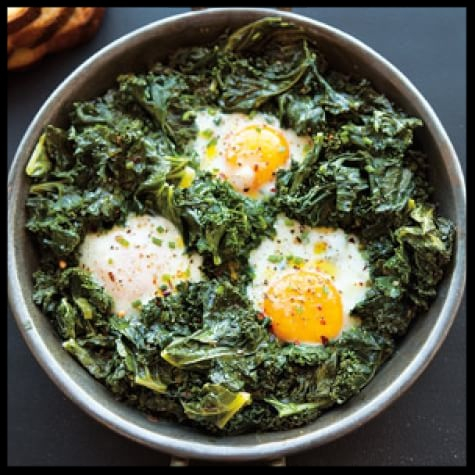
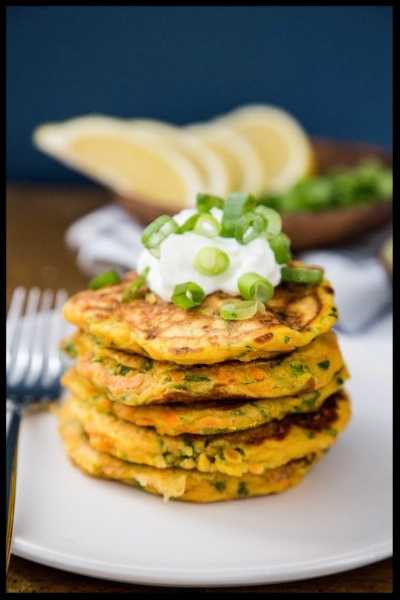
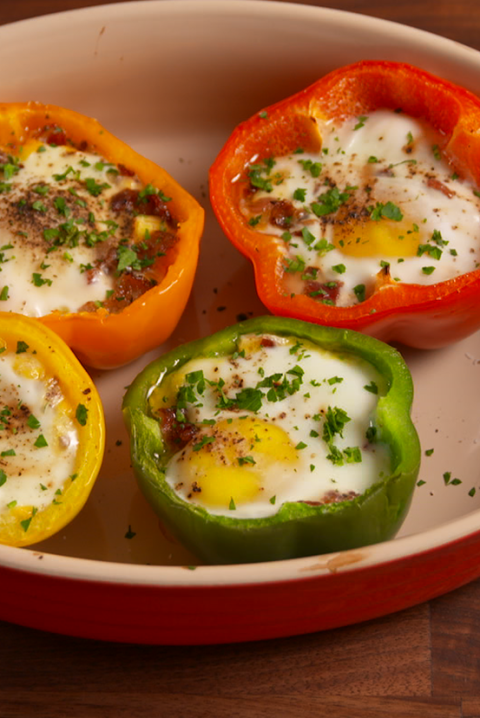
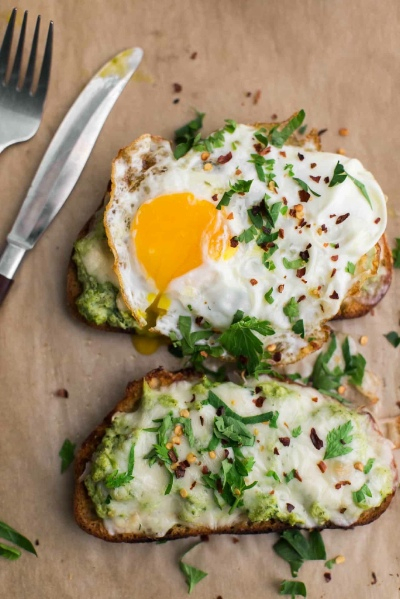
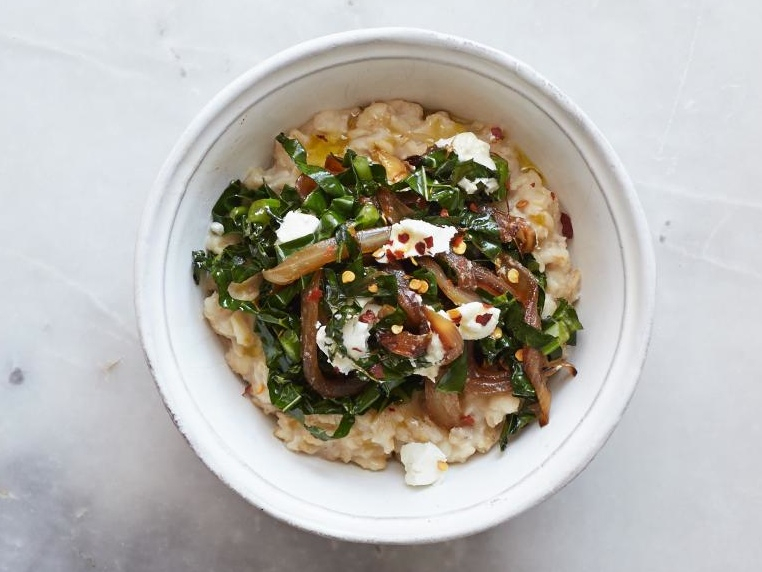
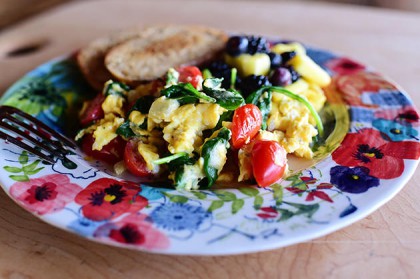
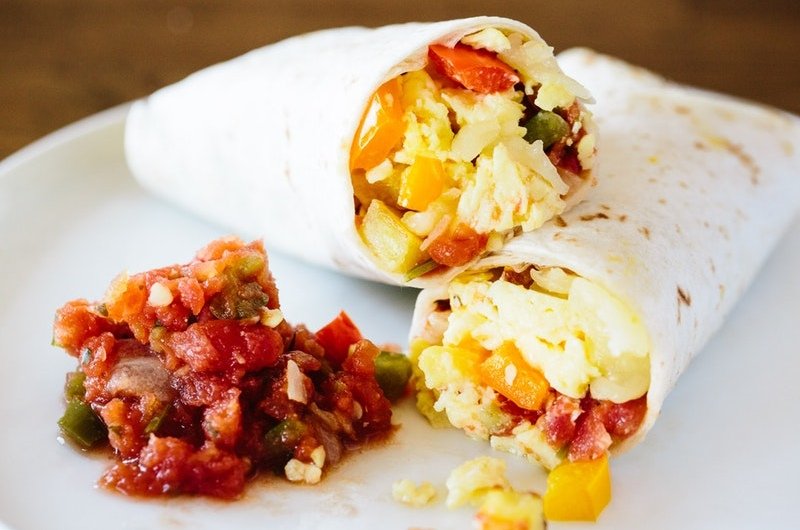
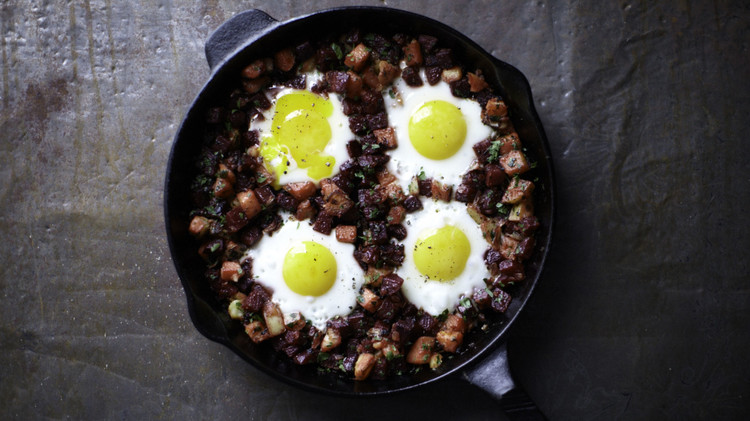
Adding vegetables to your breakfast meal gives you the opportunity to incorporate your share into 7 more meals. A nutrient packed, savory breakfast can be a great way to start your day. Aside from the omelet or quiche, traditionally, we don’t eat a lot of vegetables for breakfast and even the omelet tends to be mostly egg and cheese with a sprinkling of veggies. An easy way to get more veggies in the morning is to change the ratio of eggs to vegetables. Instead of 3 eggs to 1 vegetable, try 3 vegetables to 1 egg. Check out the first recipe Spicy Kale Simmer that uses 2 bunches of kale before 9 a.m! I really like this one because it fills me up without weighing me down like too many eggs sometimes do and the little bit of spicy red pepper helps wake me up. There are lots more great ideas below-click on the text to open the link.
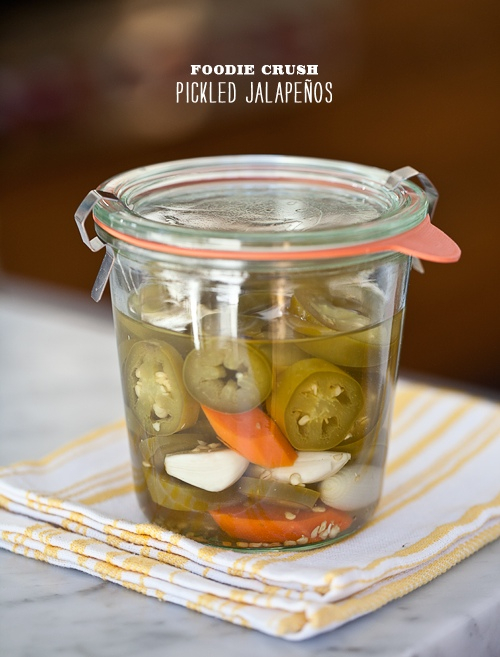
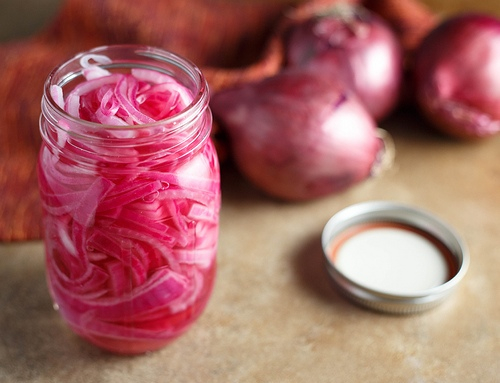
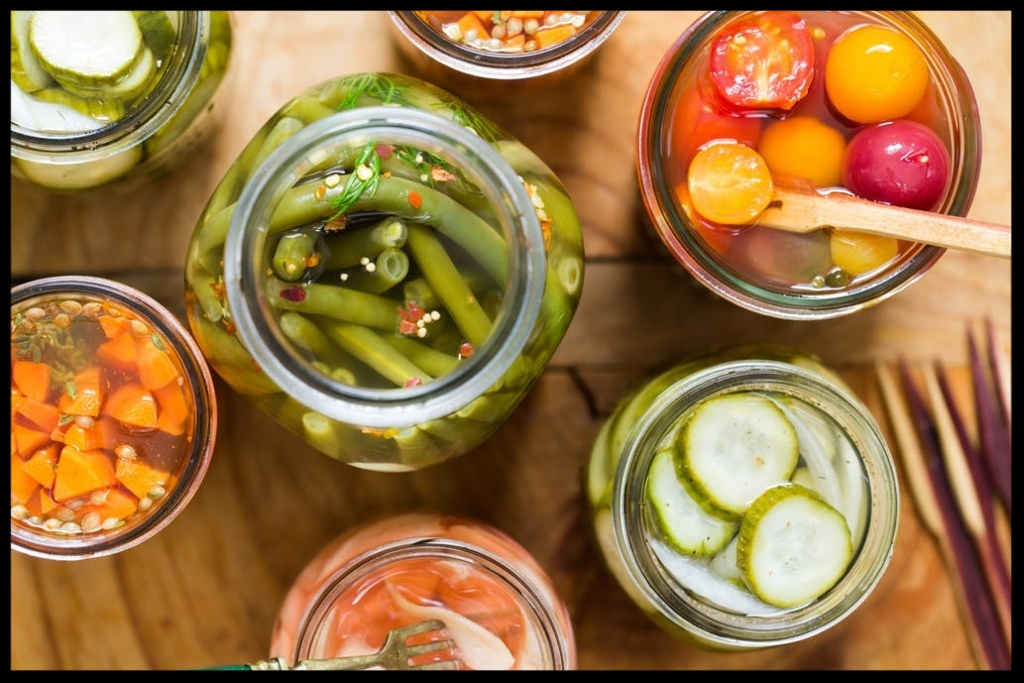
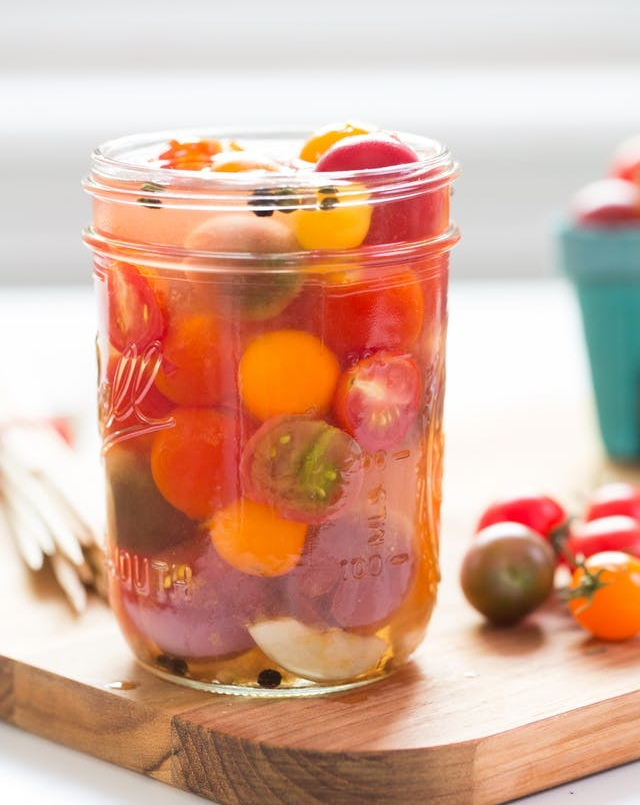
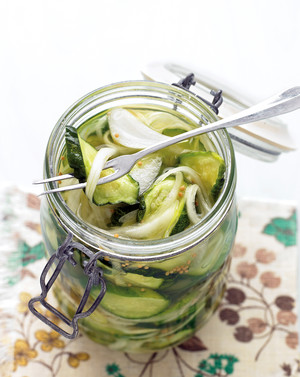
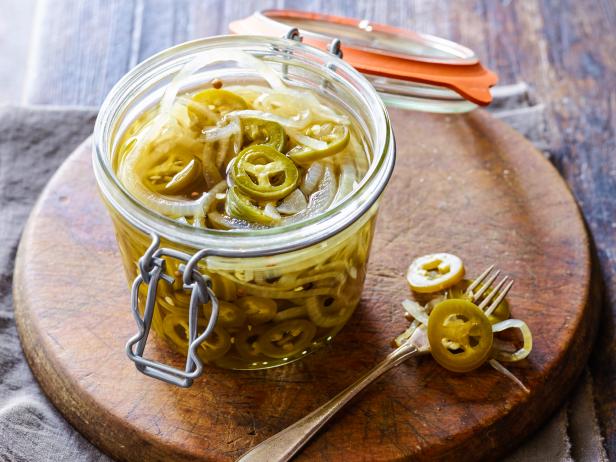
What is Quick Pickling? Quick pickled vegetables are simply vegetables that are pickled in a heated brine of vinegar, water, salt, sugar, and herbed solution and stored in the refrigerator. Quick pickles don’t develop the deep flavor that fermented pickles or canned pickles do, but they also only require a few days in the brine before they can be enjoyed and can be prepared in no time. It is important to use fresh veggies when quick pickling. It is a fast and easy way to preserve your summer favorites a little longer. Vegetables that are quick pickled will need to remain in the fridge and can last up to two weeks or more.
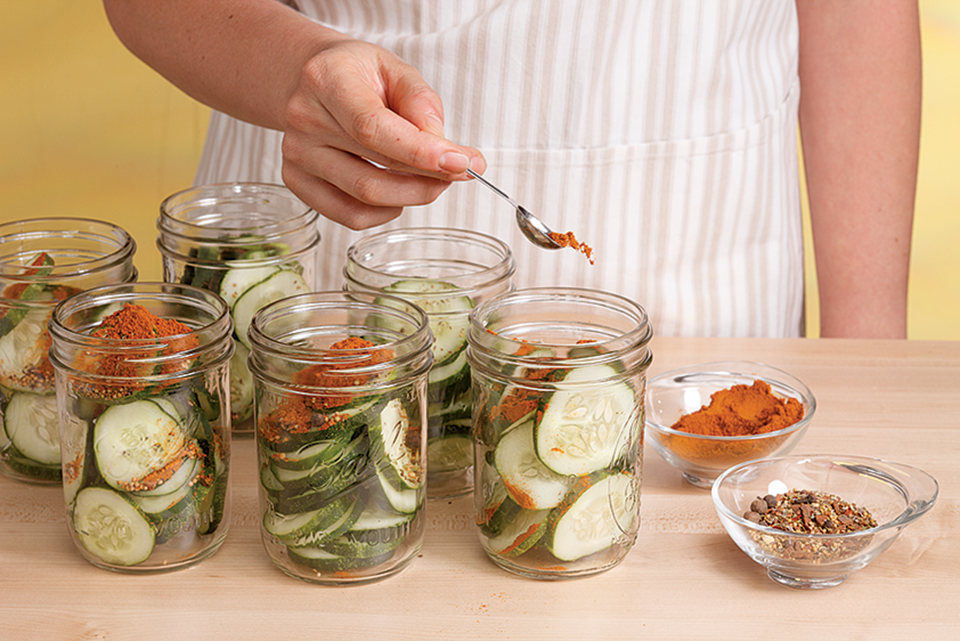
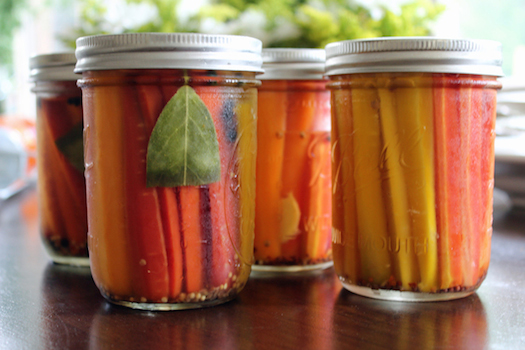
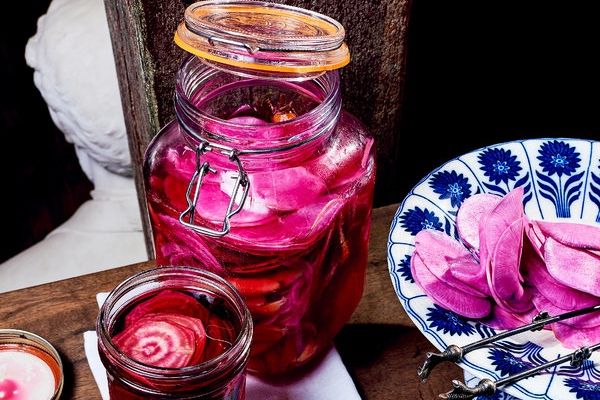
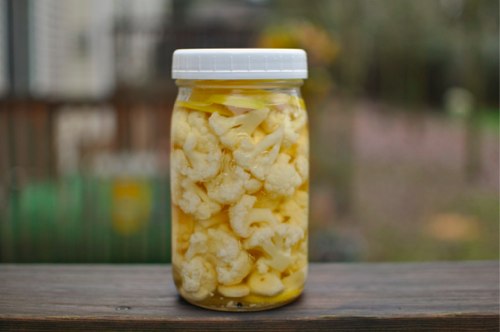
The process is as easy- just cut up your vegetables and place them in jars, adding herbs & spices you like. Heat your brine and pour it over your vegetables. Letthem cool to room temperature and pop them in your refrigerator. And quick pickling works with so many vegetables. Beyond the classic cucumbers, you can quick pickle beets, bell peppers, cauliflower, carrots, green beans, onions, peppers, radishes, squash, tomatoes, turnips, watermelon and the list goes on and on.
The Brine For quick pickles, a basic brine is equal parts vinegar and water, but you can adjust the ratio to your preference. You can use any light colored vinegar — white vinegar, apple cider, white wine, and rice vinegar all work well. You can use these vinegars alone or in combination. Avoid aged or concentrated vinegars like balsamic or malt vinegar. Small or large amounts of salt and sugar are added to your preference.
The Spices
This is where you can make your vegetables unique to your tastebuds. Dill pickles are generally just cucumbers flavored with garlic, dill seed, and red pepper flakes. Carrots can be flavored with coriander, ginger, turmeric, or thyme to give them completely different tastes. Other classic combinations include green beans with garlic and fresh dill, cherry tomatoes with black peppercorns and garlic, and squash with onion and garlic. Here are some spice tips I got from Kitchn.com for flavoring options for your quick pickles.
Fresh herbs: dill, thyme, oregano, and rosemary hold up well
Dried herbs: thyme, dill, rosemary, oregano, or majoram
Garlic cloves: smashed for mild garlic flavor, or sliced for stronger garlic flavor
Fresh ginger: peeled and thinly sliced
Whole spices: mustard seed, coriander, peppercorns, red pepper flakes
Ground spices: turmeric or smoked paprika are great for both color and flavor.
Click on the text below to watch a video for a quick tutorial and click on the text of any of the pictures below for a recipe.
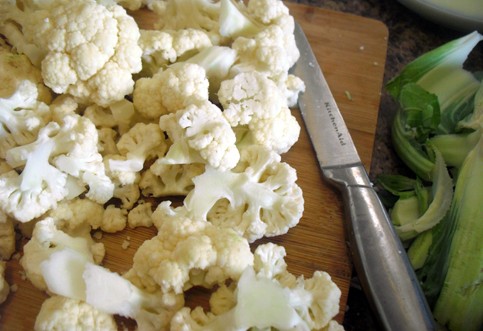
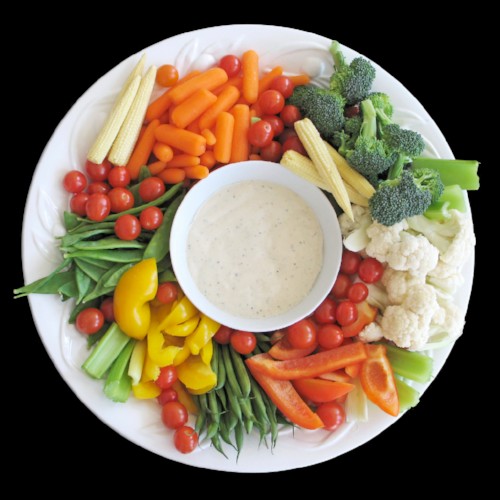
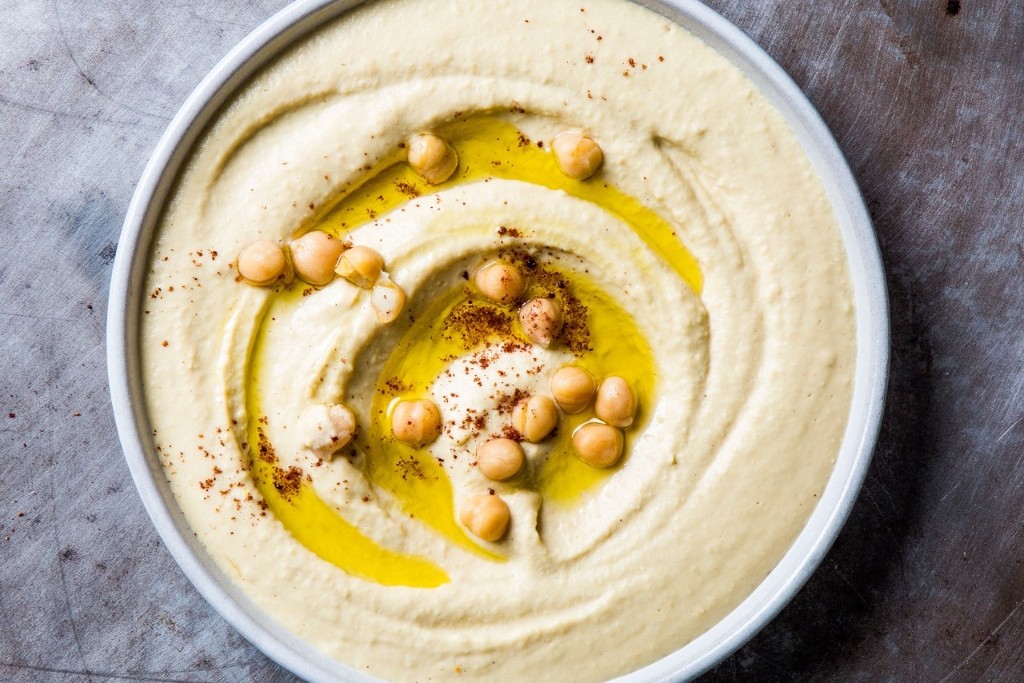
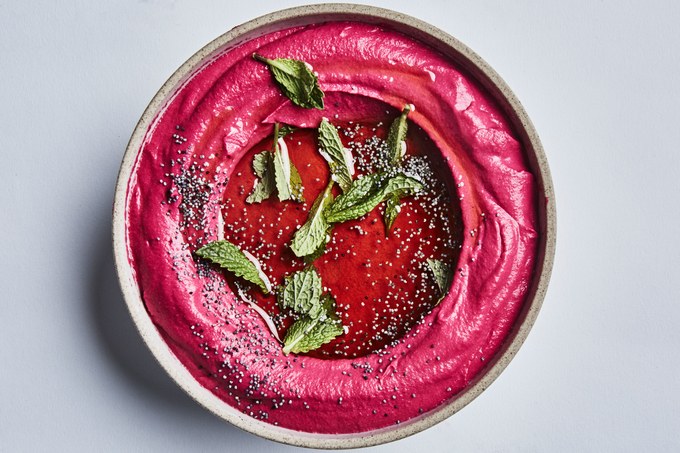
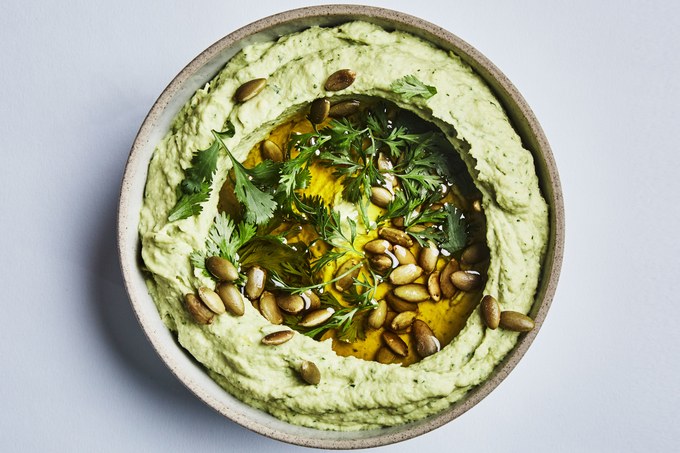
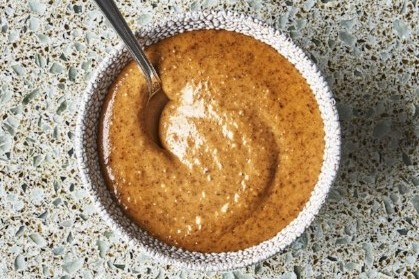
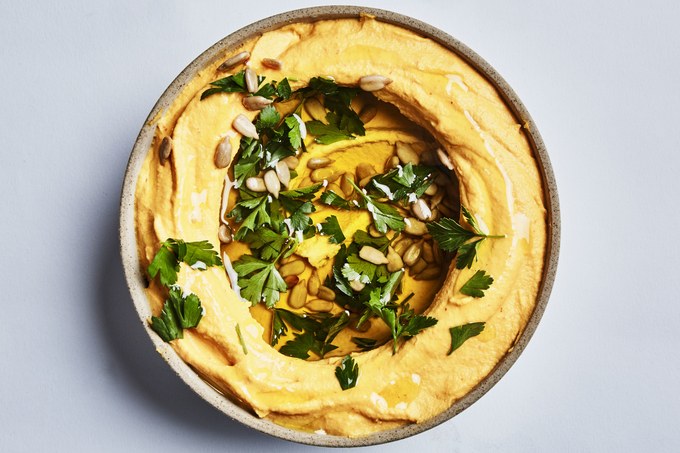
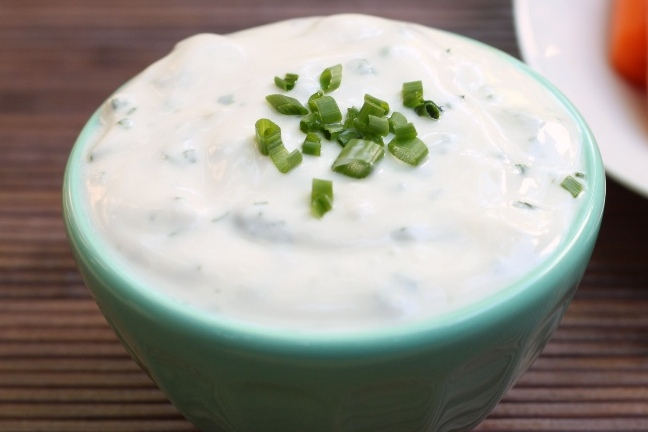
Vegetables make great snacks, especially if you have a yummy dip to pair with them. Cutting up your vegetables into snack size sticks or pieces before you even put them in the fridge makes vegetable snacking so much easier. Right now we have so many vegetables available that are great eaten raw with a dip…carrots, cauliflower, broccoli, cucumbers & zucchini. Coming soon… peppers, & tomatoes. Click on the text below for some dip ideas.
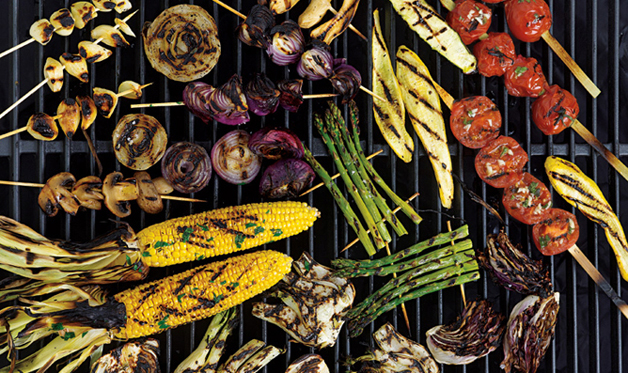
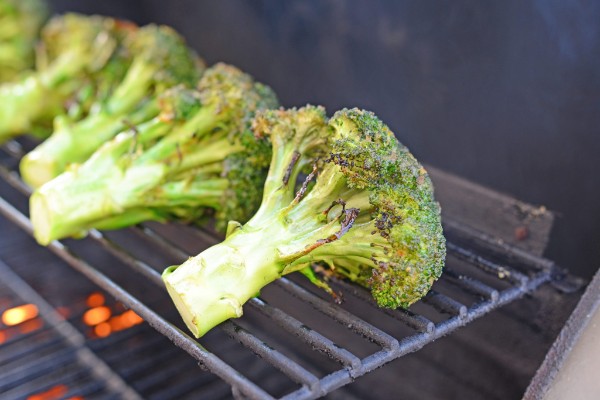
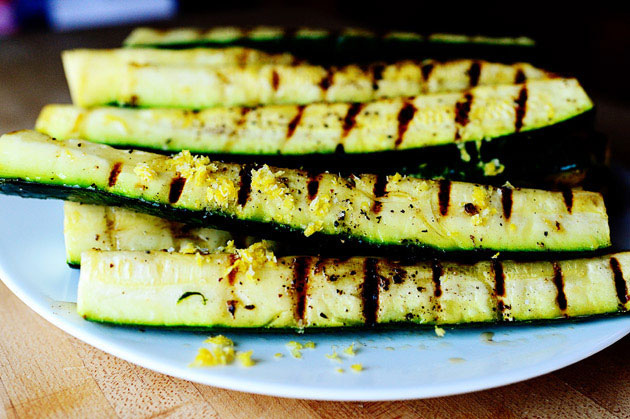
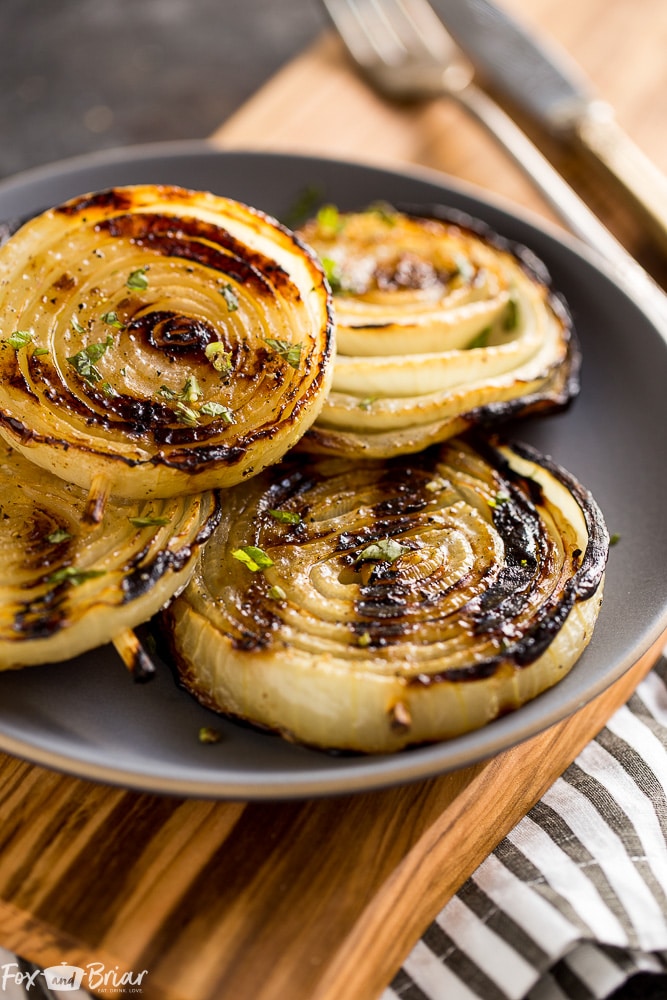
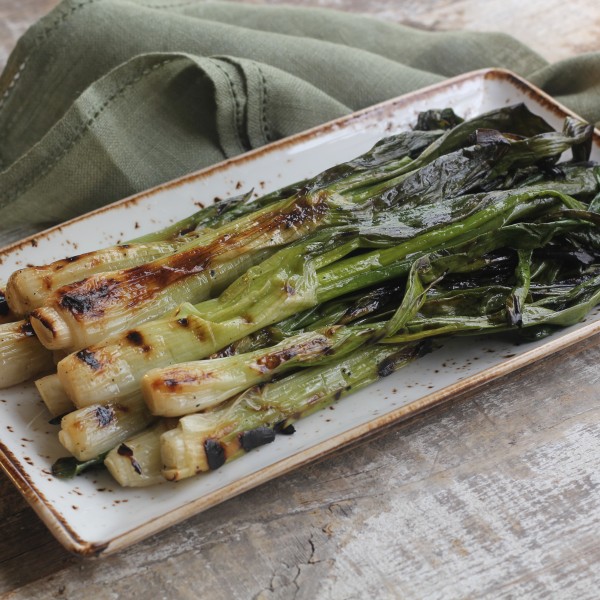
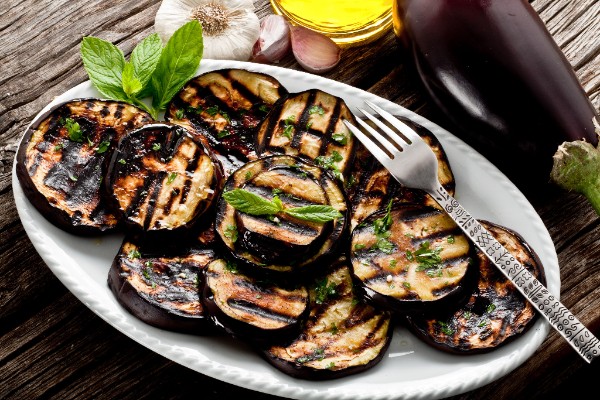
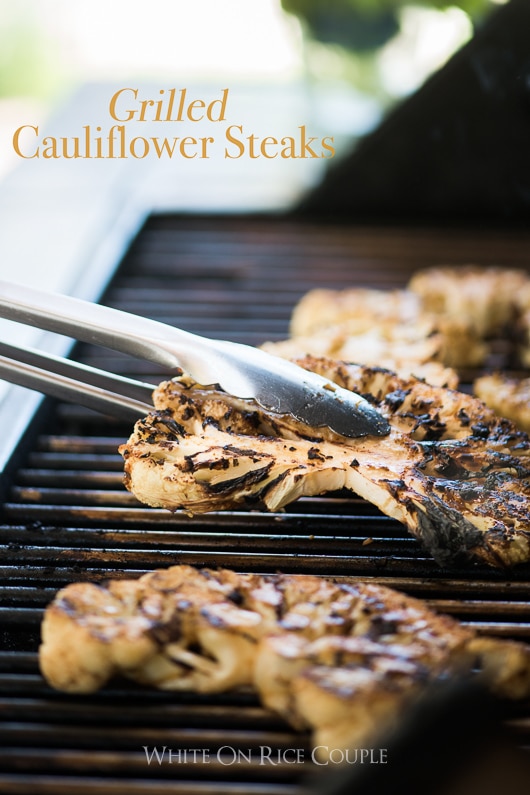
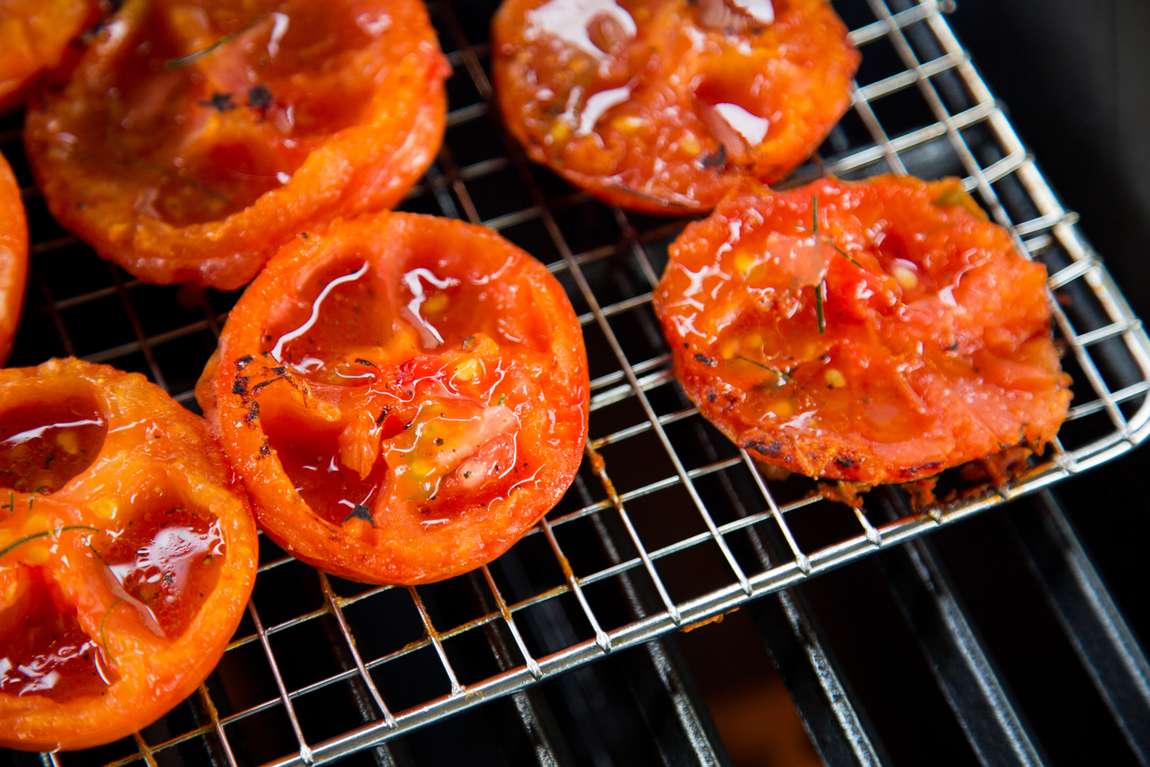
When the heat is intense like it has been, I do everything I can to stay out of the kitchen. These last couple of weeks, we’ve been using our grill to cook everything (even bread!) and it’s been a big help in keeping our south facing kitchen cool. Grilling vegetables really gives them a unique flavor. It brings out the sweet caramelized flavor of the vegetable and leaves them with a hint of smokiness. It’s relatively quick and takes very little prep. You can keep dinner simple by adding some chicken, beef, or veggie burgers to the grill and prepare your whole meal outside.
Here are some tips for grilling veggies and some recipes below:
Lightly coat the vegetables with olive oil, salt & pepper. I find that tossing them works best to get an even coat and you don’t want to get too much oil on them or it can cause flare-ups while grilling.
Vegetables are best grilled at a medium high temperature–around 400 degrees.
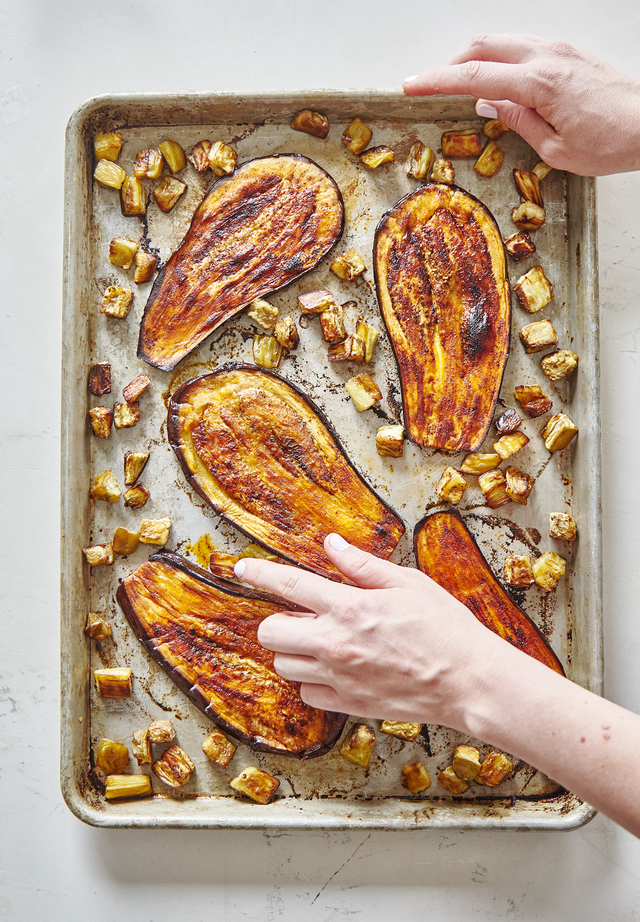
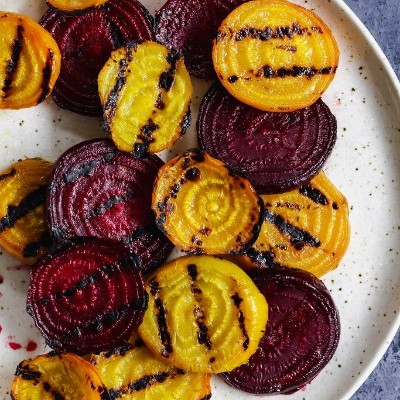
Some vegetables take a minute or two to cook while others take longer. Denser vegetables, such as potatoes, carrots & beets will take the longest to cook. To keep them from getting charred on the outside and raw on the inside, sear them first on high heat and move them to a cooler part of the grill to finish. You can also precook vegetables that take a long time by boiling them and finishing them off on the grill to bring out the flavors.
Use skewers for smaller vegetables that can fall through the grill or put them in a grill basket (a handy investment). Remember to load your skewers with vegetables that cook at similar times.
If you want your vegetables to cook more quickly, cut them into smaller pieces. You’ll get more surface area for a crispy outside and faster cooking times.
If you don’t feel like standing by the grill watching your vegetables. Cook them in a foil packet. Check out this article for further instructions.
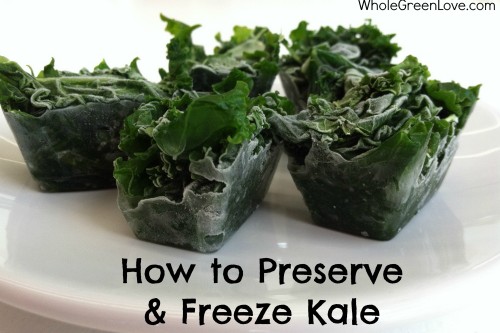
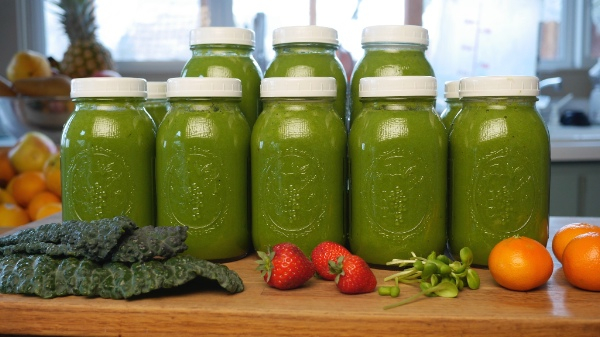
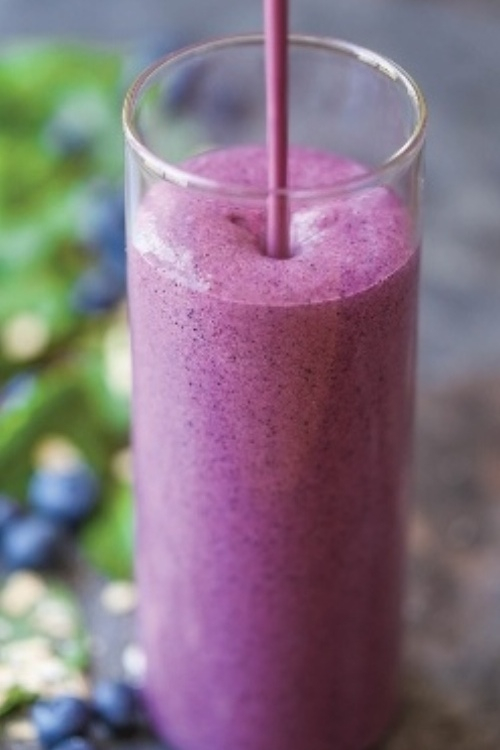
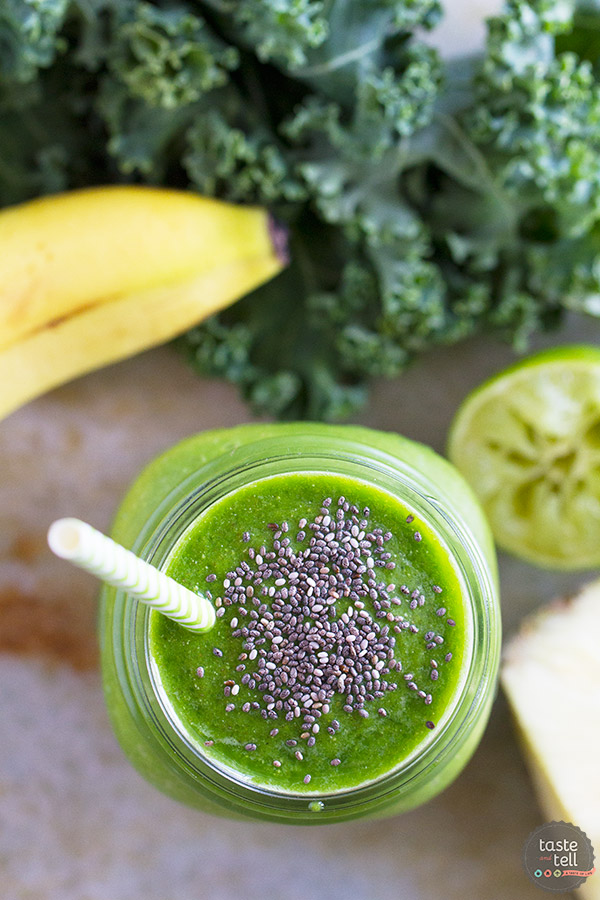
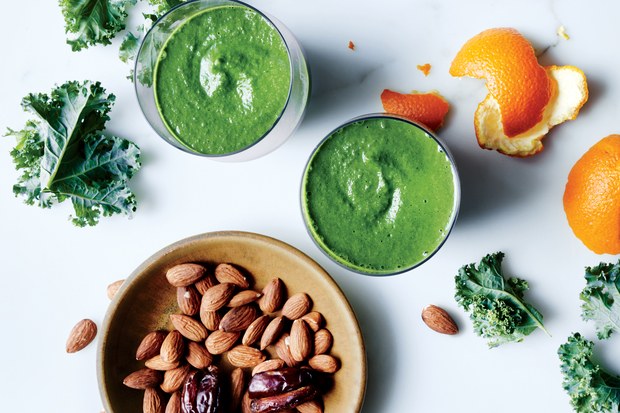
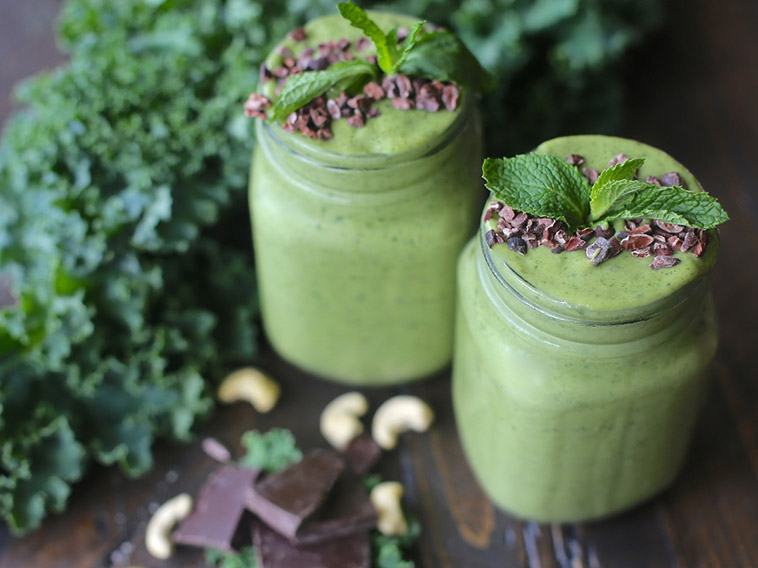
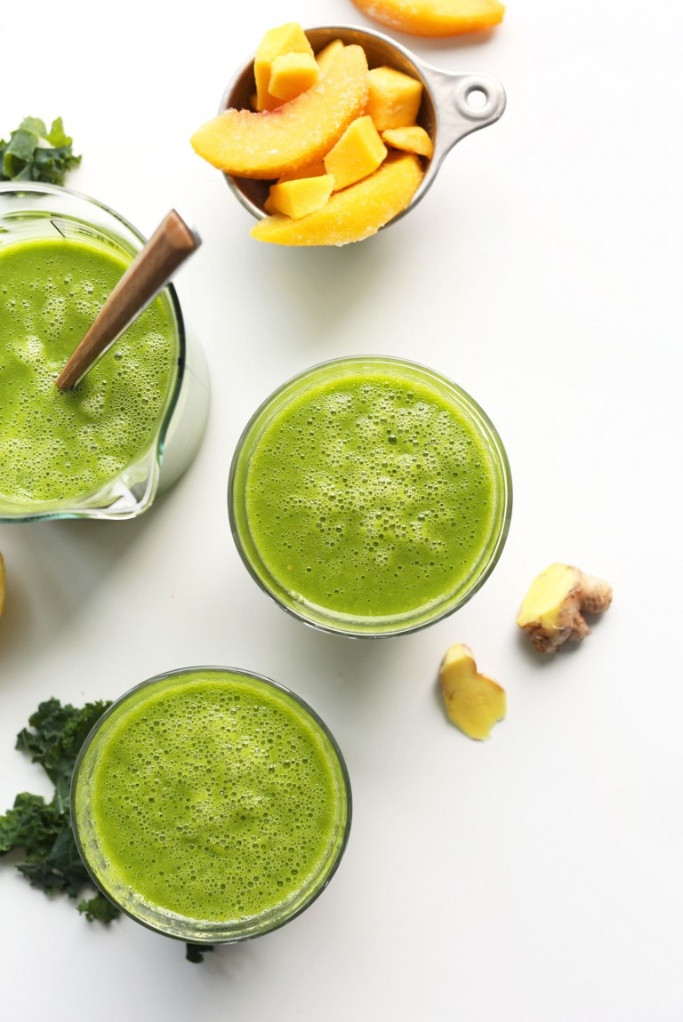
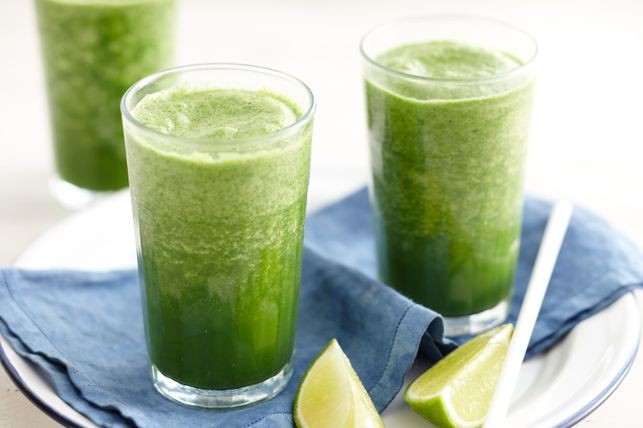
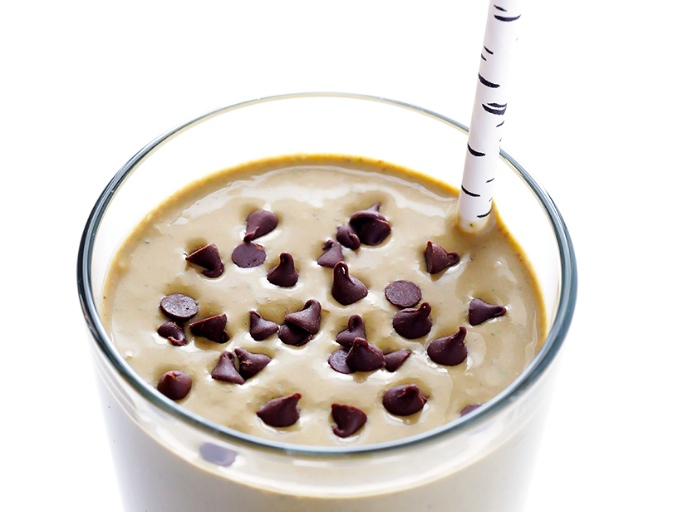
Smoothies are a great way to be sure you are getting your daily dose of fruits and vegetables and getting through all of those spring greens. You can even incorporate some helpful super foods like cacao nibs, flax seeds, or chia seeds for extra nutrients or protein powders for meal replacements. Smoothies can be a breakfast on the go or a mid afternoon snack. You can even make some dessert smoothies for a cool after dinner treat. Check out this article from the BBC on ‘How to Make the Perfect Smoothie’ and lots of recipes below. We have a ton of beautiful kale on the farm right now and the option of ordering it in bulk. It can easily be frozen and you could have organic, local kale smoothies all year long. If making a smoothie every morning isn’t realistic for you, you can make them ahead of time and throw them in the freezer. This is an especially good idea if you have an excess of a certain fruit or find some plums, peaches, etc. on sale while they are in season. Check out some of these yummy kale smoothie recipes below (click on the title of each smoothie to see recipe).
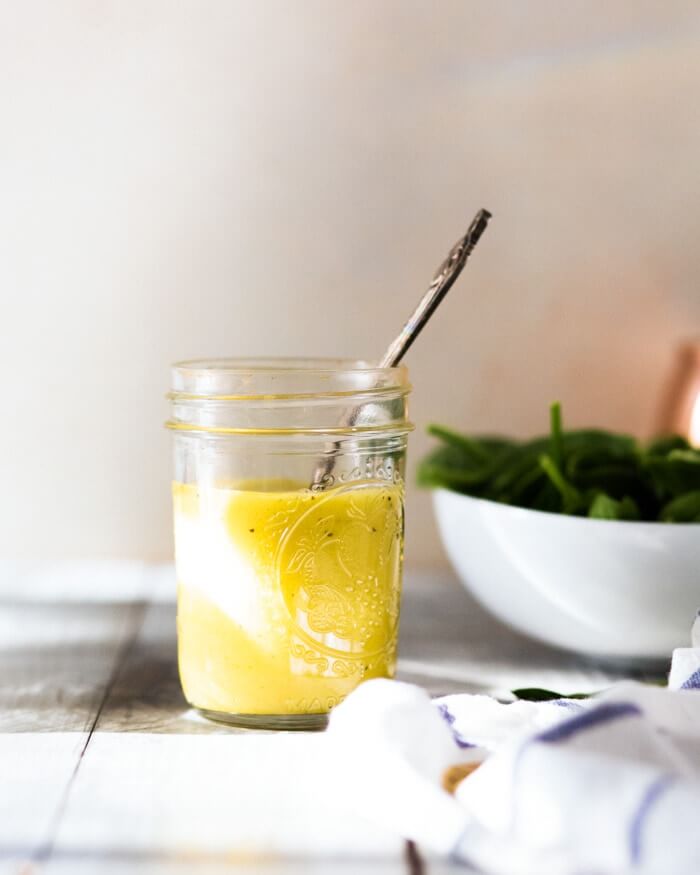
Homemade salad dressings are so easy to make and taste so much better than store bought dressings. They can change up your salad in so many ways–a delicious creamy blue cheese dressing can make a meal out of your salad or a simple vinaigrette can be perfect for a side salad. Have some chicken & bok choy you want to use up? Make a peanut dressing. At the farm, Kaly has some of the best homemade dressings! She has them all listed on our recipe page so be sure to check them out HERE. She recommends using a blender for a lot of them to get that really creamy texture. If you don’t have a blender or the time, here is a VIDEO that shows how to make 9 different types of salad dressings just by throwing all of the ingredients into a mason jar, put the lid on, and shake it up.

 Making the Most of Your CSA